
For a business, pests are not just unpleasant they are a license risk, an audit failure, a bad review that stays online, and in food service, a possible closure.
Commercial pest control is the same expertise applied under much tighter constraints, with documentation to prove it happened.
Quick Answer
Commercial Commercial Pest Control programs differ from residential Pest Control in four ways: documented service records for inspectors and auditors, scheduling outside operating hours, monitoring devices with recorded readings, and sanitation recommendations tied to each visit. In multi-unit housing, treatment must be coordinated across adjoining units to work at all.
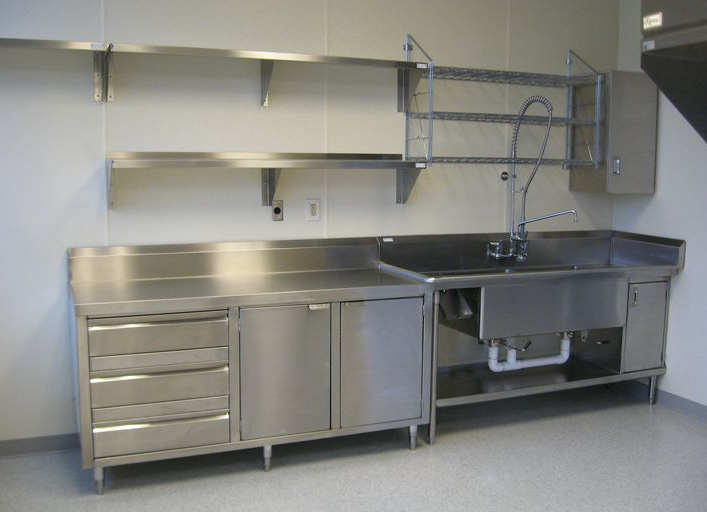
What Each Type of Business Needs Most
| Property type | Primary pressure | What the program focuses on |
|---|---|---|
| Restaurants and bars | Flies, roaches, rodents | Drain treatment, bin areas, delivery doors, documented logs |
| Grocery and food processing | Rodents, stored product pests | Perimeter rodent stations, monitoring, audit-ready records |
| Multifamily and rentals | Bed bugs, roaches | Coordinated treatment across adjoining units |
| Warehouses and distribution | Rodents, birds, spiders | Dock door seals, exclusion, exterior perimeter |
| Offices and retail | Ants, spiders, occasional invaders | Quarterly perimeter service, discreet scheduling |
| Schools and healthcare | Everything, with low-risk methods required | Baiting and exclusion over spraying, strict documentation |
The Documentation Problem
Most businesses that fail a pest-related inspection do not fail because nobody treated the property. They fail because there was no record proving it.
A commercial program should leave you with a service log, findings and corrective recommendations per visit, monitoring device readings, and a trend history you can hand to an inspector or auditor without preparation.
Why Multifamily Buildings Are Different
Bed bugs and cockroaches move through shared framing, plumbing chases and outlet penetrations. Treating one unit while the neighbors go untreated produces a cycle where the same apartment is re-infested every few months and the tenant reasonably concludes nothing is working.
We inspect the units above, below and either side of any report, and we push property managers toward a building-level plan rather than a unit-by-unit reaction.
What Staff Can Do Between Visits
- Keep a written pest sighting log — date, location, what was seen. It is the most useful thing a technician receives.
- Break down and remove cardboard promptly, since it harbors roaches and is a common way they arrive.
- Clean floor drains and under equipment on a schedule, not only when something is noticed.
- Keep dock and delivery doors closed when not in use and check the seals seasonally.
- Store bins away from entry doors, with tight lids and a regular wash-out.
- Report leaks and standing water immediately — moisture drives most commercial pest activity.
Discreet, Documented, and Outside Business Hours
We schedule around your operation, not ours before opening, after closing, or overnight where needed and our technicians are licensed, insured and background-checked.
For over four decades we have handled restaurants, retail, warehouses, apartment buildings and institutional properties across Illinois.
Talk to Us About a Commercial Program
Call +1 (833) 425-2058 or contact us for a walkthrough and a written proposal. See all our services, or read the complete guide to full-service pest control in Illinois.
Protect Your Business and Your Inspection Score
Documented commercial pest programs for Illinois restaurants, retail, warehouses and rental properties.