
Ants, cockroaches, fleas, and spiders account for more Illinois pest calls than everything else combined, and they share a frustrating trait: what you can see is a small fraction of what is there. That is why the aerosol can under the kitchen sink produces such disappointing results. Here is what is really going on with each one and what actually resolves it.
10%
Of an ant colony forages
5%
Of fleas are adults you see
1
Roach in daylight = many hidden
Quick Answer
Ants, roaches, fleas and spiders all share one trait: what you can see is a small fraction of what is there. That is why aerosol cans disappoint. Each one needs the same underlying strategy — remove the water, remove the food, close the openings, and treat where the pest lives rather than where you happen to see it.
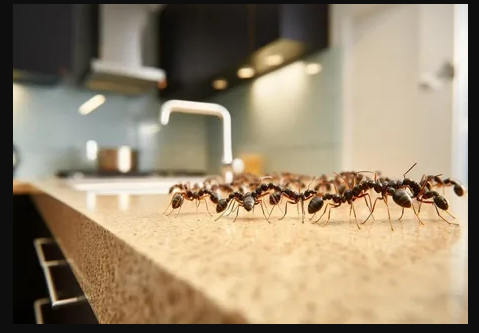
Ants: Why Spraying the Trail Makes It Worse
When you spray a visible ant trail, you kill the foragers — typically under ten percent of the colony. The queen, the brood, and the rest of the workers are untouched inside a nest you have not found. Worse, with some species repellent sprays trigger budding, where the colony splits and establishes multiple satellite nests. You go from one trail to three.
| Pest | Where it really is | What it needs from you |
|---|---|---|
| Ants | A nest you have not found — wall void, under slab, damp wood | Bait, not spray. Fix the moisture drawing them in. |
| Cockroaches | Appliance motors, cabinet hinges, drains, wall voids | Gel bait in the voids plus kitchen sanitation |
| Fleas | Carpet fibres, upholstery seams, pet bedding as eggs and pupae | Vet treatment for pets, growth regulator, daily vacuuming |
| Spiders | Eaves, garage corners, undisturbed clutter | Web removal plus cutting off their insect food supply |
The Species We See in Illinois
Pavement ants nest under driveways, sidewalks, and slabs and push up through expansion joints, leaving small dirt piles. Odorous house ants give off a distinctive smell when crushed and are drawn to sweets and moisture, nesting in wall voids, under insulation, and beneath mulch. Field ants build mounds in lawns and enter opportunistically. Carpenter ants are the serious one: they are large, often black, and they excavate galleries in damp structural wood.
What works
Nuisance ants are controlled with slow-acting baits placed on active trails, which foragers carry back and feed to the queen and brood, collapsing the colony from the inside. That is paired with an exterior perimeter treatment and correction of whatever is attracting them — a leaking trap, condensation, a downspout dumping against the foundation, mulch piled against siding. It requires patience: you may see more ants for a day or two as they recruit to the bait. That is the treatment working.
Carpenter ants require finding the moisture problem. Where there are carpenter ants there is damp wood: a failed window seal, roof flashing, a rotted deck ledger, a sweating pipe, a chronically wet crawlspace. Treating the ants without repairing that just opens the door to the next colony. If you are seeing coarse sawdust-like shavings, sometimes with insect parts in it, below a wooden surface, that is a carpenter ant gallery. See our ant removal in Illinois page.
Cockroaches: A Health Issue, Not Just a Gross One
Roach droppings and shed skins are a documented asthma and allergy trigger, which matters most in homes with young children, and roaches contaminate food-contact surfaces as they move between drains, garbage, and countertops. In Illinois we deal mainly with two situations.
German cockroaches are small, tan, with two dark stripes behind the head, and they breed indoors year-round in kitchens and bathrooms. They are the hardest roach to eliminate because a single egg case holds dozens of eggs and they hide in warm, tight voids — appliance motor housings, cabinet hinges, under the sink, behind the dishwasher, inside the microwave frame. Oriental and American cockroaches are larger and darker and are usually entering from floor drains, sewer lines, crawlspaces, and basements rather than breeding in your kitchen.
Why baiting beats spraying
Broad surface spraying is counterproductive with German cockroaches. It kills what it touches, then makes the roaches avoid the treated surfaces and disperse deeper into voids and adjoining rooms. Effective control means gel bait placed precisely inside the voids and hinge points where they live, an insect growth regulator to break the reproductive cycle, and monitoring stations to verify the population is actually falling.
Sanitation carries as much weight as the products. Grease behind and under the range, cardboard storage, dish water left overnight, pet food left down, recycling with residue in it, and a slow leak under the sink are what keep a population fed and watered. We go through those with you, because treatment plus corrections works and treatment alone often does not.
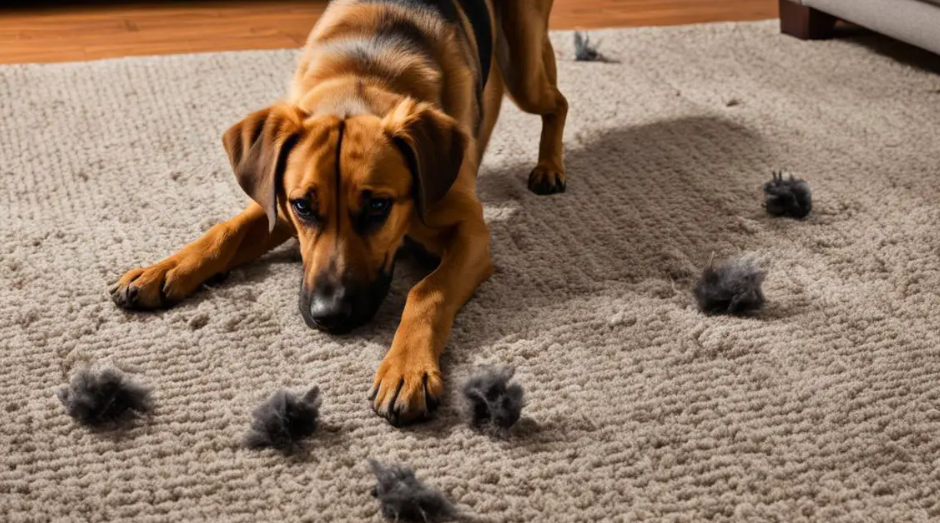
Fleas: The Ninety-Five Percent You Cannot See
Only about five percent of a flea population is the adult on your pet or biting your ankles. The other ninety-five percent are eggs, larvae, and pupae worked down into carpet fibers, upholstery seams, pet bedding, and cracks between floorboards. Pupae are protected inside a sticky cocoon that most products cannot penetrate, and they can stay dormant for weeks, hatching in response to vibration, warmth, and carbon dioxide. That is why a home can seem clear and then swarm the day the family gets back from vacation.
Fleas also arrive without a pet in the house. Wildlife nesting in a crawlspace, attic, or under a deck leaves a flea population behind when it moves on or is removed.
The Three-Part Fix
The Three-Part Flea Fix
- Treat every pet with a current veterinarian-recommended product. Skipping one animal in the household restarts the cycle.
- Treat the interior with a product that includes an insect growth regulator, targeting carpet, upholstery, pet resting areas, and floor edges rather than open surfaces.
- Vacuum thoroughly every day or two for two to three weeks. This is not optional. Vacuuming pulls larvae out of carpet and the vibration shocks dormant pupae into hatching while the treatment is still active, which is the only way to reach that stage.
Do Not Skip Step Three
Daily vacuuming for two to three weeks is not optional advice with fleas — it is the only way to reach the pupal stage, which is sealed inside a cocoon that products cannot penetrate. The vibration triggers hatching while the treatment is still active.
Outdoors, we spot-treat the shaded, moist areas where pets rest — under decks, along the north side of the house, under shrubs — since that is where outdoor breeding concentrates. Full sun kills flea larvae, so open lawn rarely needs treatment.
Spiders: Usually a Symptom of Another Problem
Most Illinois spiders are harmless, and a heavy spider population is a signal rather than the problem itself. Spiders are predators, so lots of spiders means lots of insects to eat. Reduce the insect population and the spiders follow.
Treatment is largely mechanical. We knock down webs and egg sacs around eaves, porch ceilings, window frames, garages, sheds, and basement corners, apply a residual to those harborage points, and address the exterior lighting that draws flying insects at night — switching to warm-toned bulbs or moving fixtures away from doors makes a measurable difference. Reducing clutter and cardboard in basements, garages, and crawlspaces removes the undisturbed harborage that spiders prefer.
Two species in Illinois warrant real caution. Black widows and brown recluses favor undisturbed, cluttered spaces — stored boxes, woodpiles, crawlspaces, garage corners, and rarely-worn shoes and gloves. If you find either, or suspect a bite from one, treat it seriously and have the area inspected professionally rather than handling it yourself.
A Simple Rule for All Four
Ants, roaches, fleas, and spiders all respond to the same underlying strategy: remove the water, remove the food, close the openings, and treat where the pest lives rather than where you happen to see it. Every one of these problems is easier and cheaper to solve in week one than in month six.
Get a Free Inspection
If you are fighting the same ants, roaches, fleas, or spiders month after month, the reason is almost always something structural or environmental that has not been addressed. Call +1 (833) 425-2058 or request a free inspection and we will find it. Serving Crete, Chicago, Joliet, Aurora, Naperville, Schaumburg, Rockford, Peoria, Springfield, Belleville and communities throughout Illinois since 1980.
For the complete season-by-season picture on insects and rodents, read our complete guide to full-service pest control in Illinois.
Same Pest Coming Back Every Month?
There is always a reason — usually structural or moisture related. We find it, free of charge.